Why Recovery Gets “Stuck”: A Systems Approach to Persistent Concussion Symptoms
January 19, 2026
Think You’ve Had a Concussion? Here’s What To Do Next
May 30, 2026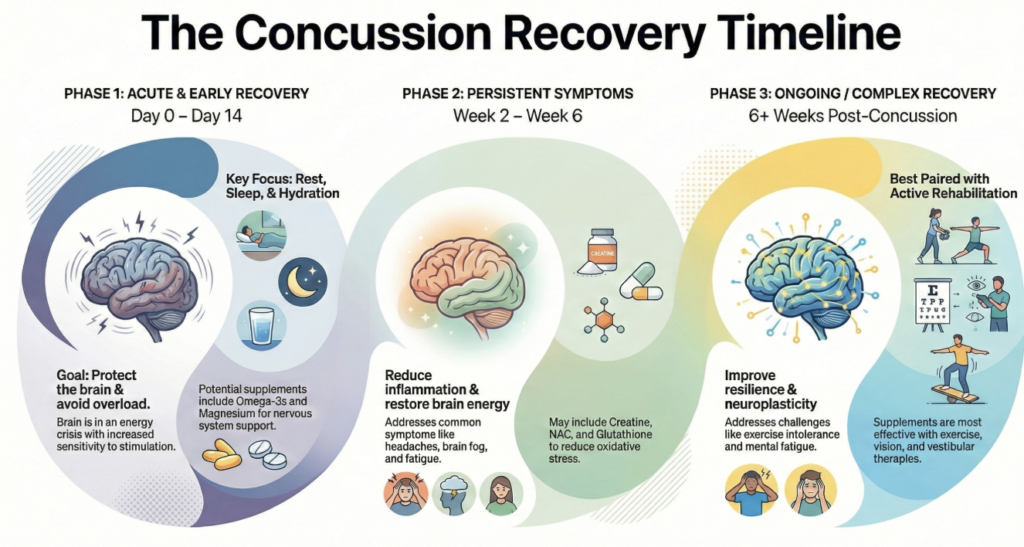
The Concussion Recovery Timeline Concussion recovery is not one-size-fits-all. This timeline highlights how the brain’s needs change from early protection and rest, through inflammation and energy support, to long-term rehabilitation and neuroplasticity. Supplements are most effective when paired with appropriate clinical care and active rehabilitation.
How Targeted Nutrition Can Support the Healing Brain
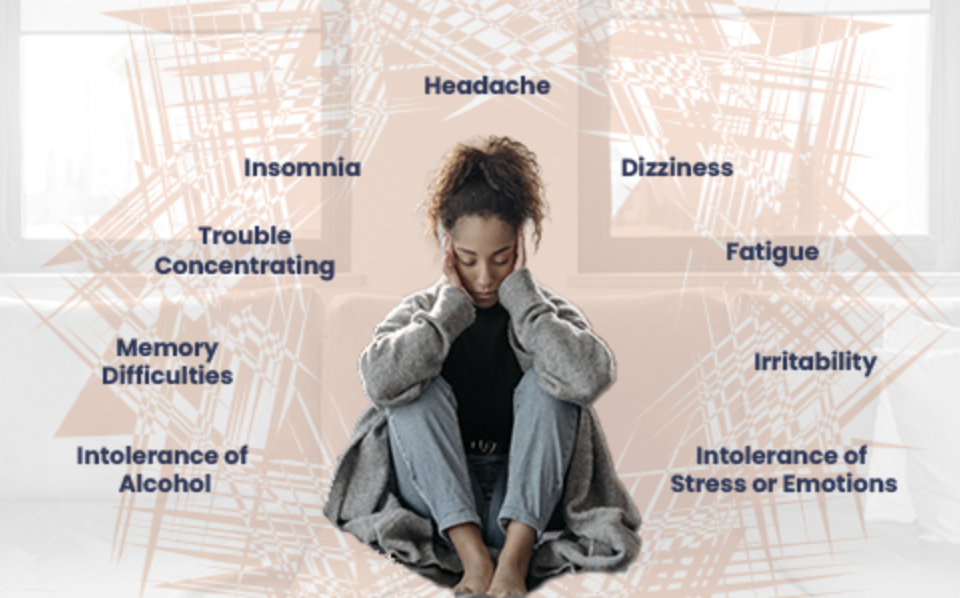
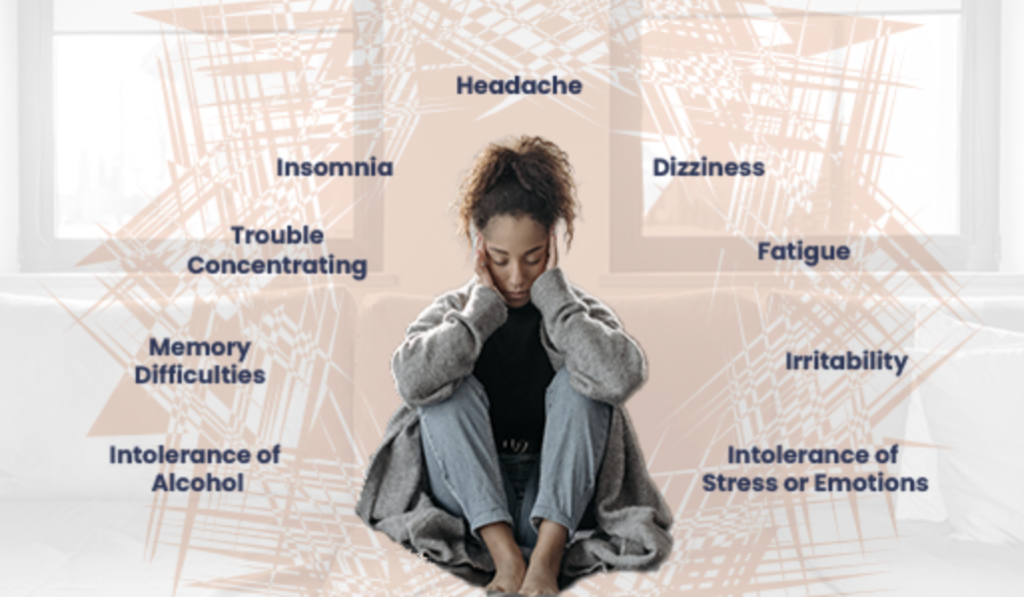
At Melbourne Headache & Concussion Group, we regularly see people who are weeks or months past their concussion and still struggling with symptoms like headaches, fatigue, brain fog, poor sleep, anxiety, or sensitivity to light and noise.
Often, brain scans are normal which can be frustrating and confusing. But modern concussion research shows that ongoing symptoms are rarely due to permanent structural damage. Instead, they are driven by functional changes in how the brain works and recovers.
One important and often overlooked part of concussion care is targeted nutritional support.
Supplements don’t “fix” a concussion on their own, but they can create a better biological environment for recovery, allowing rehabilitation, exercise, and nervous system retraining to work more effectively.
What Actually Happens in the Brain After a Concussion?
A concussion sets off a complex chain reaction inside the brain, including:
🔥 Increased oxidative stress
Brain cells produce excess “free radicals” that damage cell membranes and disrupt signalling.
🧬 Ongoing inflammation
Support cells in the brain (called glial cells) can remain overactive, keeping the brain in a heightened, irritated state.
⚡ Reduced energy production
Brain cells struggle to produce energy efficiently, leading to fatigue, poor concentration, and exercise intolerance.
⚠️ Nervous system imbalance
Many people remain stuck in “fight-or-flight,” affecting sleep, mood, digestion, and symptom flare-ups.
This is why rest alone is often not enough in persistent concussion.
How Supplements Can Help
We use supplements to support four key recovery systems:
- Protect and repair brain cells
- Reduce inflammation and oxidative stress
- Restore brain energy production
- Calm the nervous system and improve sleep
Brain Cell & Membrane Support
Omega-3 Fatty Acids (DHA & EPA)
The brain is made largely of fat, and DHA is a major building block of brain cell membranes.
After concussion, these membranes can become “leaky” or inefficient.
Omega-3s may help by:
- Supporting brain cell structure
- Reducing inflammation
- Assisting learning and neuroplasticity
These are often one of the first supplements introduced.
Antioxidant & Inflammation Support
NAC, Glutathione & Curcumin
After concussion, the brain’s natural antioxidant systems can become overwhelmed.
- N-Acetylcysteine (NAC) helps the body produce glutathione
- Glutathione is the brain’s main internal antioxidant
- Curcumin (from turmeric) helps calm inflammatory signalling
Together, these may help:
- Reduce headaches
- Improve mental clarity
- Decrease sensory sensitivity
- Support recovery in people who feel “stuck”
Brain Energy & Mitochondrial Support
Creatine, CoQ10 & NAD⁺ Support
One of the most important and least talked about aspects of concussion is the brain energy crisis.
Even simple thinking tasks can feel exhausting because brain cells can’t produce energy efficiently.
These supplements are sometimes used to support that process:
- Creatine helps buffer brain energy demands
- CoQ10 supports energy production inside cells
- NAD⁺ precursors (NMN or NR) support mitochondrial function and cellular repair
These are commonly considered when fatigue, brain fog, or exercise intolerance persist.
Nervous System Calming & Sleep Support
Magnesium, L-Theanine, Glycine
Poor sleep and nervous system over-activation are extremely common after concussion.
Certain supplements may help:
- Reduce nervous system “overdrive”
- Improve sleep quality
- Support emotional regulation
- Reduce symptom flare-ups with stress
Good sleep is not optional, it’s one of the most powerful recovery tools we have.
A Very Important Reminder
Supplements:
- Are not individualised
- Are not started all at once
- Should always be discussed with a qualified health professional
- Do not replace active rehabilitation
The most successful recoveries occur when supplements support:
- Graded exercise therapy
- Vestibular and vision rehabilitation
- Nervous system regulation
- Education and reassurance
The Take-Home Message
Persistent concussion symptoms are real — and they are treatable.
Targeted nutritional support can help by:
- Reducing inflammation
- Supporting brain energy
- Improving sleep and nervous system balance
- Enhancing the effectiveness of rehab
At Melbourne Headache & Concussion Group, we take a whole-systems approach to concussion care addressing the brain, body, and nervous system together.
Need Guidance With Concussion Recovery?
If you’re unsure which supports are appropriate for you, or you’re feeling stuck in your recovery, our team can help guide you through a personalised, evidence-informed plan.