Supplements + Concussion Recovery
February 2, 2026
Is Your Headache Coming From Your Neck?
June 12, 2026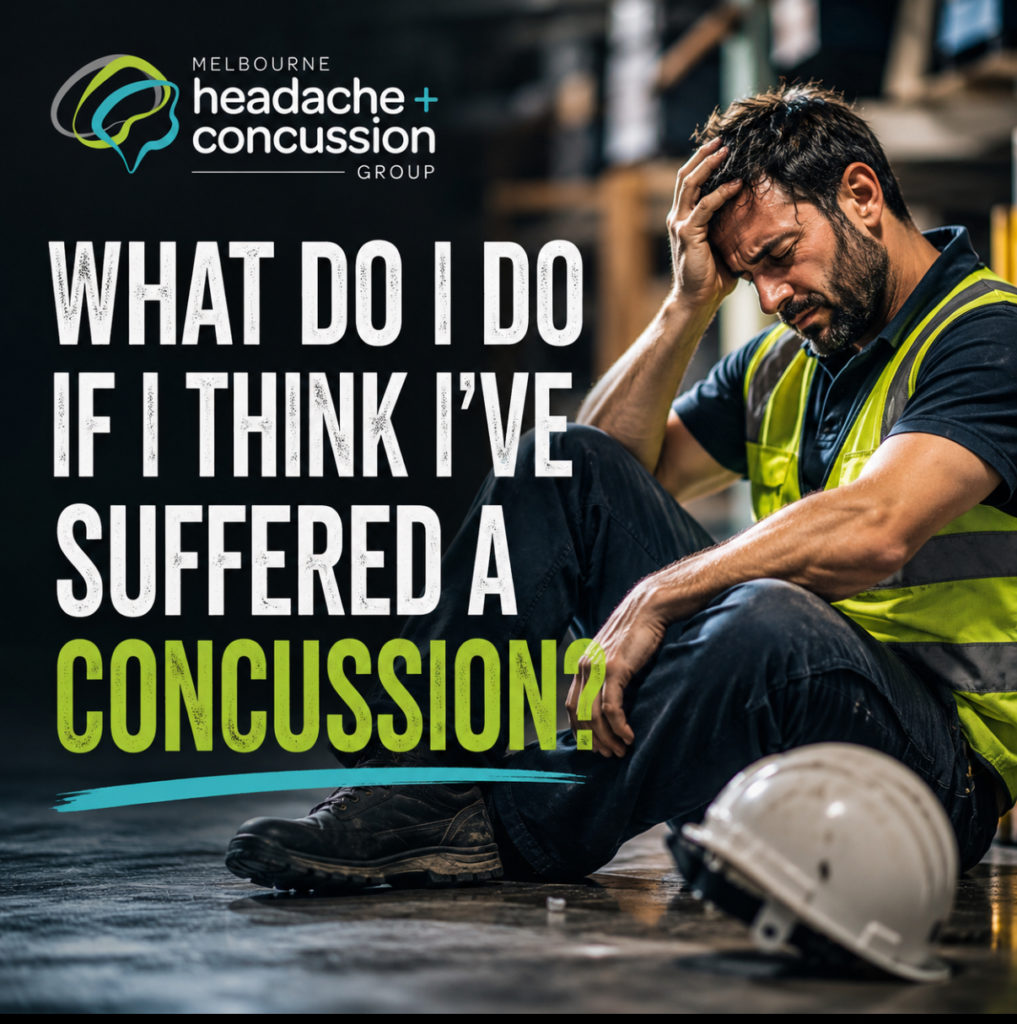
When most people think of concussion, they think of sport.
While concussion is common in football, rugby and other contact sports, the reality is that most concussions occur outside of sport. Workplace accidents, motor vehicle collisions and falls at home account for a significant number of head injuries every year.
Unfortunately, many people dismiss their symptoms, hoping they will simply go away with time.
If you’ve recently hit your head and suspect you may have suffered a concussion, taking the right steps early can make a significant difference to your recovery.
What Is a Concussion?
A concussion is a mild traumatic brain injury caused by a force being transmitted to the brain. This can occur following a direct blow to the head, a fall, a sporting collision or even a sudden whiplash-type movement.
Common concussion symptoms include:
- Headache
- Dizziness
- Nausea
- Sensitivity to light or noise
- Fatigue
- Brain fog
- Difficulty concentrating
- Memory problems
- Balance issues
- Emotional changes
Symptoms can appear immediately or develop over the following hours and days.
The First 4 Things To Do After a Suspected Concussion
1. Rest
The first 24 to 48 hours after a concussion are important.
This doesn’t mean complete bed rest or sitting in a dark room for days. Current concussion guidelines recommend a period of relative rest, where you reduce activities that significantly worsen symptoms.
This may include limiting strenuous physical activity, reducing screen time if it aggravates symptoms and avoiding environments that trigger symptoms.
Listening to your body during this period is crucial.
2. See a Concussion Professional
One of the biggest mistakes people make is assuming that if they didn’t lose consciousness, they don’t have a concussion.
Loss of consciousness only occurs in a minority of concussion cases.
A concussion assessment performed by an experienced healthcare professional can help determine whether a concussion has occurred, identify any red flags and develop an appropriate recovery plan.
Early assessment also allows baseline symptoms, balance, cognition and other neurological functions to be measured, providing valuable information throughout recovery.
If symptoms persist beyond a few days, seeking professional guidance becomes even more important.
3. Return to Work or School Gradually
Many people try to push through symptoms and return to full work or study immediately.
Unfortunately, this often results in worsening symptoms and delayed recovery.
Just as athletes follow a return-to-play protocol, workers and students should follow a graduated return-to-learn or return-to-work plan.
This may involve:
- Reduced hours initially
- Additional rest breaks
- Modified duties
- Reduced screen exposure
- Gradually increasing cognitive demands
The goal is to challenge the brain without overwhelming it.
A structured approach helps support recovery while maintaining participation in everyday life.
4. Start Sub Symptom Exercise
This is one of the biggest changes in concussion management over the last decade.
For many years, complete physical rest was considered the gold standard.
Research now suggests that appropriately prescribed exercise can actually help recovery.
Sub symptom exercise refers to light aerobic activity performed below the level that significantly increases symptoms.
Examples may include:
- Walking
- Stationary cycling
- Light treadmill work
The key is finding the right intensity.
Exercise should not dramatically worsen symptoms during or after the session. When prescribed correctly, sub symptom exercise can improve blood flow regulation, reduce deconditioning and help people recover more efficiently.
What Should You Avoid After a Concussion?
During the early stages of recovery, it is generally recommended to avoid:
- Contact sport
- High intensity exercise
- Activities with a risk of another head impact
- Pushing through severe symptoms
- Excessive alcohol consumption
- Ignoring persistent symptoms
Every concussion is different, which is why individual assessment is important.
When Should You Seek Urgent Medical Attention?
While most concussions recover well, some symptoms require immediate medical assessment.
Seek urgent medical attention if you experience:
- Repeated vomiting
- Increasing confusion
- Seizures
- Significant drowsiness
- Worsening headache
- Weakness or numbness
- Slurred speech
- Loss of consciousness
These symptoms may indicate a more serious injury.
The Bottom Line
If you think you’ve suffered a concussion, don’t simply wait and hope it gets better.
The four most important steps are:
- Rest
- See a professional
- Return to work or school gradually
- Begin sub symptom exercise when appropriate
Early assessment and evidence-based management can help optimise recovery and reduce the risk of prolonged symptoms.
If you’ve recently suffered a concussion or are struggling with ongoing symptoms, you can make a time to see one of our professionals below.