
Melbourne Headache + Concussion Group
Concussion Assessment in Melbourne
Concerned about a concussion, experiencing ongoing symptoms or unsure about returning to your normal activities?
At Melbourne Headache + Concussion Group, we provide structured concussion assessment and individualised recovery management for children, adolescents and adults.
Our Williamstown clinic combines clinical examination, objective testing and personalised management to help you understand your symptoms and plan your next steps.
95 Douglas Parade, Williamstown, Melbourne.
Recent head injury? Check for urgent warning signs.
If someone has lost consciousness, has a seizure, repeated vomiting, a severe or worsening headache, increasing confusion, difficulty waking, weakness, new double vision or significant neck pain following a head injury, seek emergency medical care.
Call 000 for an ambulance when emergency assistance is needed, or attend your nearest emergency department as appropriate. Do not delay urgent medical care to complete an online screening tool or book a clinic appointment.
A suspected concussion should also be assessed by a medical practitioner, even when emergency warning signs are absent.
Learn more about concussion warning signs at HealthdirectUnderstanding Your Injury
When should you arrange a concussion assessment?
Concussion can occur following a direct impact to the head or a force transmitted to the head through the body.
Symptoms may appear immediately or develop after the injury. You do not need to lose consciousness to have a concussion.
Recent head injury
You have experienced a head impact or suspected concussion and need assessment and advice about your symptoms and recovery.
Ongoing concussion symptoms
Headache, dizziness, fatigue, visual sensitivity or difficulty concentrating is continuing after your initial injury.
Return to school or work
You are unsure how to manage your symptoms while gradually returning to studying, working or everyday activities.
Return to exercise or sport
You need a structured rehabilitation plan and guidance around progressing exercise and returning to your sport safely.
MHCG provides concussion services for people injured during sport, work, falls, accidents and everyday activities.
Your Initial Consultation
What happens during your concussion assessment?
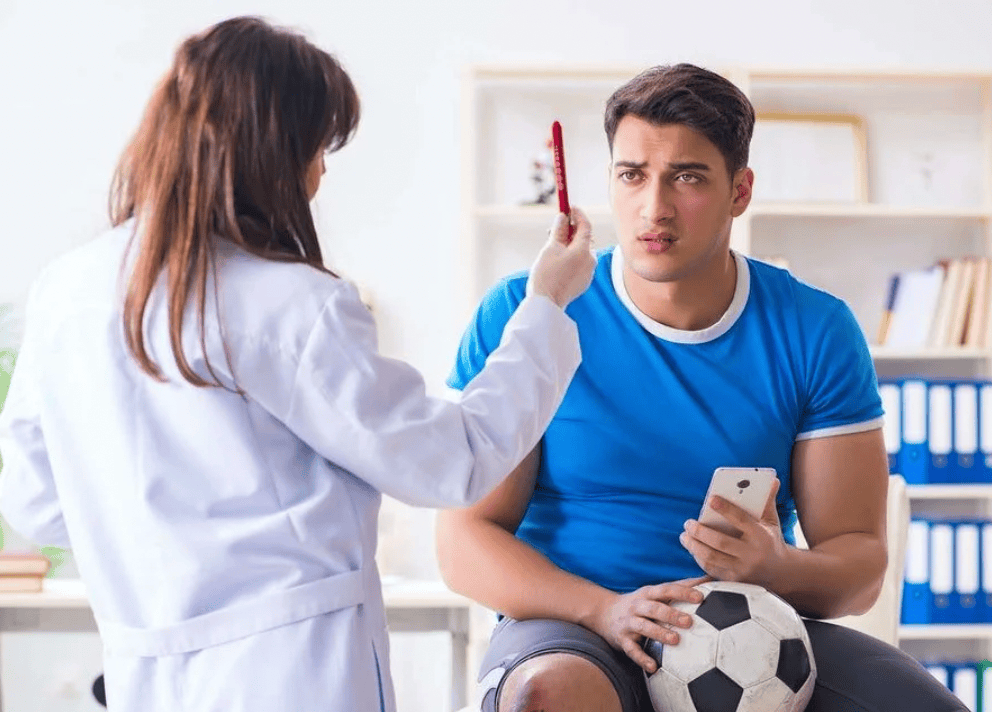
A concussion assessment involves more than checking whether you have a headache or feel dizzy.
We take the time to understand your injury, assess the areas that may be affected and explain what your findings mean for your recovery.
Your assessment is tailored to your symptoms, injury history and stage of recovery.
Injury and symptom history
We discuss how your injury occurred, how your symptoms have changed, previous concussions, relevant medical history and your current daily activities.
Balance and neurological function
Clinical balance and relevant neurological assessments help identify areas of function that may require further investigation or management.
Vision and vestibular assessment
Where appropriate, we examine eye movements, visual tracking, vestibular function and symptoms provoked by head or eye movement.
Neck and cervical spine
We assess your neck to determine whether cervical dysfunction may be contributing to headache, dizziness or other symptoms.
Activity tolerance
We review how your symptoms respond to everyday activities and exercise.
Further exertional testing may be appropriate at a subsequent appointment, depending on your clinical presentation.
Your recovery plan
We explain the findings and discuss appropriate next steps, including activity progression, rehabilitation, medical review and follow-up where required.
Clinical and Objective Testing
Understanding your recovery through clinical assessment and objective testing
Concussion can affect multiple areas of function, including balance, vision, vestibular function and exercise tolerance.
At MHCG, we combine clinical examination with appropriate objective assessment tools to help guide management and monitor recovery.
Sway Medical
Sway may be used to assess balance and relevant aspects of neurological performance as part of a broader clinical assessment.
Vestibular and ocular testing
Vestibular and ocular motor screening, including VOMS where appropriate, can help identify symptoms associated with eye and head movement.
Buffalo Concussion Treadmill Test
When clinically appropriate, exertional testing may help assess exercise tolerance and guide activity progression.
This testing is not routinely included in every initial consultation and may require a separate appointment.
Important: No single clinical or objective test can diagnose or rule out concussion. Testing is selected according to the patient's clinical presentation and supports, rather than replaces, appropriate medical assessment and clinical decision-making.
Beyond the Initial Assessment
Your individualised concussion recovery plan
Every concussion is different. Your recovery plan should reflect your symptoms, clinical findings and the activities you need to return to.
Following your initial assessment, we will discuss whether further testing, rehabilitation or follow-up appointments are appropriate.
Return to school and work
We can help plan a gradual return to cognitive and everyday activities, considering symptoms, work demands, screen tolerance and fatigue.
Return to exercise
We provide guidance around appropriate physical activity and may use further exercise testing to help guide progression when indicated.
Return to sport
We help athletes understand graded return-to-sport requirements and the assessments that may be appropriate before progressing to higher-risk activities.
Medical clearance and applicable sport-specific return-to-play requirements must be followed.
Persistent symptoms
For ongoing headaches, dizziness, visual symptoms or exercise intolerance, further assessment and targeted rehabilitation may be appropriate.
We coordinate with medical practitioners and other healthcare professionals when required.
The $200 initial assessment is a single 60-minute consultation. Any recommended follow-up appointments, further testing or rehabilitation are booked separately.
Free Online Resource
Not sure whether you may have a concussion?
Our free online concussion screening tool provides information about warning signs, symptoms and appropriate next steps after a head injury.
It includes a safety screening stage and allows you to save a personalised report to discuss with a healthcare professional.
The tool is an educational screening resource. It cannot diagnose or exclude concussion, identify every serious injury or replace medical assessment.
Explore Our Free Screening ToolAlready concerned about your symptoms?
If you have experienced a suspected concussion, arrange appropriate medical assessment.
Our clinical concussion assessment service provides a structured evaluation and individualised management planning.
Book a Clinical AssessmentAppointments and Location
Concussion assessments in Williamstown, Melbourne
Melbourne Headache + Concussion Group is located at 95 Douglas Parade, Williamstown VIC 3016.
We welcome patients from Williamstown, Newport, Altona and across Melbourne.
Initial Consultation
60-minute concussion assessment
Structured clinical assessment, appropriate testing and individualised management planning.
Follow-up appointments and further testing are booked separately.
View Available AppointmentsVisit MHCG
Melbourne Headache + Concussion Group
95 Douglas Parade
Williamstown VIC 3016
Phone: (03) 9397 8877
Online booking is available through our secure appointment system.
Get DirectionsFrequently Asked Questions
Concussion assessment FAQs
How much does a concussion assessment cost?
Your initial concussion assessment at MHCG costs $200 and lasts 60 minutes. Follow-up appointments and any further testing are booked separately.
How soon should I have a concussion assessed?
A suspected concussion should receive prompt medical assessment. Emergency warning signs require urgent medical care. Our clinic can assist with further clinical assessment and recovery management where appropriate.
Can you diagnose concussion using Sway or balance testing?
No single test can diagnose or exclude concussion. Objective tests such as Sway may provide useful additional information, but the findings must be interpreted alongside a broader clinical assessment and appropriate medical review.
What if I still have symptoms several weeks after my concussion?
Persistent symptoms may require further assessment and an individualised management approach. Depending on your presentation, this may involve exercise tolerance assessment, vestibular rehabilitation, cervical assessment and coordination with your medical team.
Can you help me return to sport?
Yes. MHCG provides concussion rehabilitation and return-to-sport management. Further appointments may be needed to assess exercise tolerance, balance and other relevant functions. Medical clearance and the requirements of your sport must be followed before returning to contact or competition.
Do I need a referral to book an assessment?
Contact our team on (03) 9397 8877 if you are unsure which appointment is appropriate or whether you need medical assessment before attending.
Is the free online screening tool the same as a clinical assessment?
No. The online tool provides educational screening information and a summary of your responses. It cannot diagnose or rule out concussion and does not replace a clinical or medical assessment.
Melbourne Headache + Concussion Group
Understand your symptoms. Plan your next steps.
Whether you have recently experienced a suspected concussion or are managing ongoing symptoms, our team can help you understand your assessment findings and develop an individualised management plan.
95 Douglas Parade, Williamstown VIC 3016 | (03) 9397 8877