Melbourne Headache + Concussion Group
Concussion Red Flags:
When Should You Go to Hospital?
A knock to the head can leave you wondering what to do next. Learn the warning signs of a serious head injury, when to seek emergency medical care and when a concussion assessment may be appropriate.
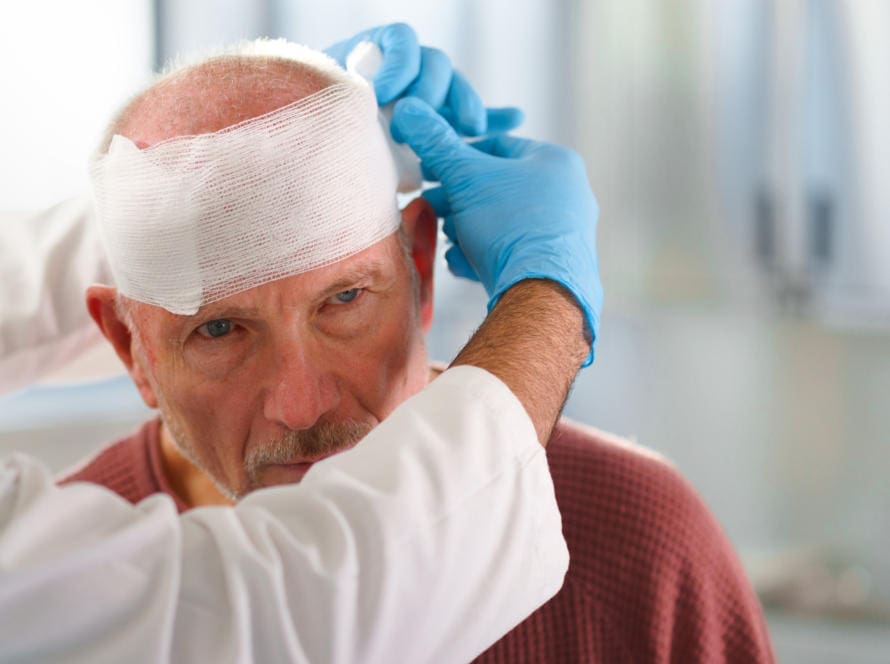
A knock to the head during football, a fall at home or a collision during sport can leave you wondering what to do next.
Is it just a headache? Could it be a concussion? Do you need to go to hospital, or should you arrange a concussion assessment?
These are important questions, particularly when the injured person is your child.
While many people recover from concussion without needing hospital admission, some head injuries require immediate medical attention.
At Melbourne Headache + Concussion Group, we believe that recognising the difference between a suspected concussion and a potentially more serious head injury is an important first step in protecting brain health.
When should you go to hospital after a concussion?
If someone has experienced a head injury and develops any of the warning signs below, they may have a more serious brain or spinal injury.
These symptoms require immediate medical attention. Call 000 for an ambulance if the person is seriously unwell, deteriorating or cannot be safely transported. Otherwise, arrange immediate assessment at the nearest hospital emergency department.
Emergency: Do not delay medical care
If someone has a seizure, becomes difficult to wake, develops weakness or deteriorates following a head injury, call 000 immediately.
Do not continue playing sport, drive yourself to hospital or delay seeking help to complete an online assessment or book a telehealth consultation.
11 concussion red flags
Warning signs following a head injury that require immediate medical attention.
Loss of consciousness
Being knocked out or blacking out, even briefly.
Severe or worsening headache
A headache that is unusually intense, continues to increase or becomes progressively worse.
Vomiting
Vomiting following a head injury, particularly repeated episodes. Any vomiting after a head injury warrants urgent medical advice.
Seizure or convulsion
Any seizure, fitting or involuntary jerking movements following the impact.
Increasing confusion or unusual behaviour
Becoming more disoriented, agitated, irritable or behaving significantly differently from normal.
Increasing drowsiness
Becoming progressively sleepier, having difficulty remaining awake or being difficult to wake.
Weakness, numbness or tingling
New weakness, altered sensation or loss of movement in the arms, legs or another part of the body.
Vision changes
New double vision or loss of vision following the injury.
Neck pain or tenderness
New neck pain, particularly following a significant impact or when a spinal injury is suspected.
Difficulty speaking
Slurred speech or unusual difficulty communicating.
Signs of a skull injury
A visible dent or deformity of the skull, or blood or clear fluid coming from the ears or nose.
A person may initially appear well following a head injury and deteriorate later. New or worsening symptoms should always be taken seriously.
People taking blood-thinning medication, those with a bleeding disorder and those who have sustained a significant head injury may require emergency assessment even without the warning signs listed above.
Can you have a concussion without being knocked unconscious?
Yes. You do not need to lose consciousness to experience a concussion.
Many people who sustain a concussion remain conscious throughout the injury.
A person may be able to walk, talk and recall the incident while still experiencing changes in brain function.
Common concussion symptoms include:
- Headache or pressure in the head
- Dizziness or balance difficulties
- Nausea
- Blurred vision
- Difficulty concentrating
- Memory problems
- Sensitivity to light or noise
- Feeling unusually tired or mentally foggy
These symptoms may be subtle immediately after the injury and become more noticeable over the following hours.
Being awake, talking normally or feeling relatively well does not automatically rule out a concussion or a more serious injury.
If concussion is suspected, the person should stop their activity and arrange an appropriate clinical assessment.
My child has hit their head. Should I take them to hospital?
As a parent, watching your child experience a head injury can be frightening, particularly when you are unsure whether their symptoms are serious.
Children do not always describe their symptoms clearly. Younger children may struggle to explain that they feel dizzy, confused or have a headache.
Instead, you may notice that your child is unusually quiet, irritable, unsteady, sleepy or simply not behaving like themselves.
When to seek emergency care for your child
Seek emergency medical attention if your child develops any of the red flags listed above.
A high-speed head injury or a fall from a significant height also requires urgent medical assessment, even if your child initially appears well.
If your child is seriously unwell, deteriorating or difficult to wake, call 000.
Children should be carefully monitored for the first 24 to 48 hours following a head injury, as some symptoms can develop later.
Children with suspected concussion should be assessed by an appropriately qualified healthcare professional.
If you are concerned about your child's condition, seek medical advice rather than relying solely on how they say they feel.
What if I have concussion symptoms but no emergency warning signs?
Not every suspected concussion requires hospital treatment.
However, an absence of red flags does not mean that an individual is concussion-free or that their injury can safely be ignored.
If you have experienced a head injury and are now dealing with headaches, dizziness, nausea, memory difficulties, changes in concentration or other concussion symptoms, arrange a clinical assessment with an appropriately qualified healthcare professional.
A concussion assessment can help establish whether the symptoms are consistent with concussion, identify areas of neurological function that may have been affected, and guide appropriate recovery and follow-up care.
If new red flags develop or your condition deteriorates while waiting for an appointment, seek emergency medical attention rather than waiting for your assessment.
Not sure how urgently you need medical attention?
If you or someone you care about has experienced a head injury and you are concerned about a possible concussion, the Concussion Hotline provides access to doctors trained in concussion assessment and management.
Through an online video consultation, you can discuss your symptoms with a concussion-trained GP, receive medical guidance and understand the next steps in your recovery.
The Concussion Hotline offers consultations for athletes, parents and individuals concerned about a possible concussion.
CONTACT THE CONCUSSION HOTLINE →Important: The Concussion Hotline is a medical consultation service, not an emergency service. If you have serious or worsening symptoms, call 000 or attend your nearest hospital emergency department immediately. Do not wait for an online consultation.
Free online concussion screening
Not sure if you have a concussion?
Have you or someone you care about experienced a recent head injury?
Melbourne Headache + Concussion Group has developed MHCG Assess, a free online concussion screening tool designed to help you recognise possible concussion symptoms and understand appropriate next steps.
Complete a short safety and symptom check, then save a personalised screening report to share with your healthcare professional.
START YOUR FREE CONCUSSION SCREENING →Important: This tool does not diagnose or rule out concussion and cannot exclude a serious brain injury. If emergency warning signs are present, seek immediate medical care without completing the screening.
Designed for adults and children aged eight years and older. Children aged eight to twelve require a parent or caregiver to complete the screening.
What happens during a concussion assessment?
Once an emergency or more serious head injury has been excluded, a structured concussion assessment can help guide recovery.
At Melbourne Headache + Concussion Group, our concussion assessment process considers the circumstances of the injury, symptoms and relevant aspects of neurological function.
Depending on the individual, assessment may include:
- Detailed concussion history and symptom review
- Balance assessment
- Eye movement and vestibular assessment
- Cognitive screening
- Cervical spine assessment
- Exercise tolerance assessment
We use objective assessment tools, including Sway Medical and the Buffalo Concussion Treadmill Test, where clinically appropriate, to help inform recovery and return-to-activity decisions.
Our aim is to develop an appropriate management plan for returning to school, work, exercise or sport.
We also work alongside GPs and other healthcare professionals when further investigation, medical review or coordinated care is required.
Can I return to sport if my concussion symptoms disappear?
A concussion is not simply a headache that needs to settle before returning to sport.
Even when symptoms improve, an athlete may require further clinical assessment and a graduated return-to-sport program.
Athletes with suspected concussion should be immediately removed from play and must not return to sport on the day of the injury.
Returning to contact sport requires an appropriate recovery process, clinical review, medical clearance and adherence to the relevant sporting organisation's concussion protocols.
At Melbourne Headache + Concussion Group, we support athletes, parents and sporting clubs throughout concussion recovery, with structured assessment and return-to-play planning.
Don't guess. Assess.
Our free online screening tool can help you document symptoms following a head injury, while our clinical concussion assessments provide individualised guidance for recovery and returning to activity.
Concerned about a concussion? We are here to help.
Whether you have experienced a recent head injury, are concerned about your child's concussion symptoms or are struggling with ongoing symptoms following a previous concussion, accessing the right care is important.
If you have emergency warning signs, call 000 or attend your nearest emergency department immediately.
If you are medically stable but concerned about a possible concussion, our online screening tool can help you organise your symptoms before seeking clinical assessment.
-
Recognise the warning signs.
Seek emergency medical care if any concussion red flags are present. -
Complete the free screening.
If no emergency warning signs are present, MHCG Assess can help you document your symptoms. -
Arrange appropriate clinical care.
Discuss your symptoms and screening report with a qualified healthcare professional.
Melbourne Headache + Concussion Group
Take the next step
Concerned about a possible concussion? Start with our free online concussion screening tool.
START YOUR FREE ASSESSMENT →This screening tool does not replace medical assessment and must not delay emergency medical care.
Melbourne Headache + Concussion Group
We provide concussion assessment and management in Williamstown, Melbourne.
Clinic address
95 Douglas Parade
Williamstown VIC 3016
Phone
(03) 9397 8877
Medical information: This article provides general educational information and is not a substitute for individual medical advice, diagnosis or treatment. If you suspect a serious head injury, seek emergency medical attention.